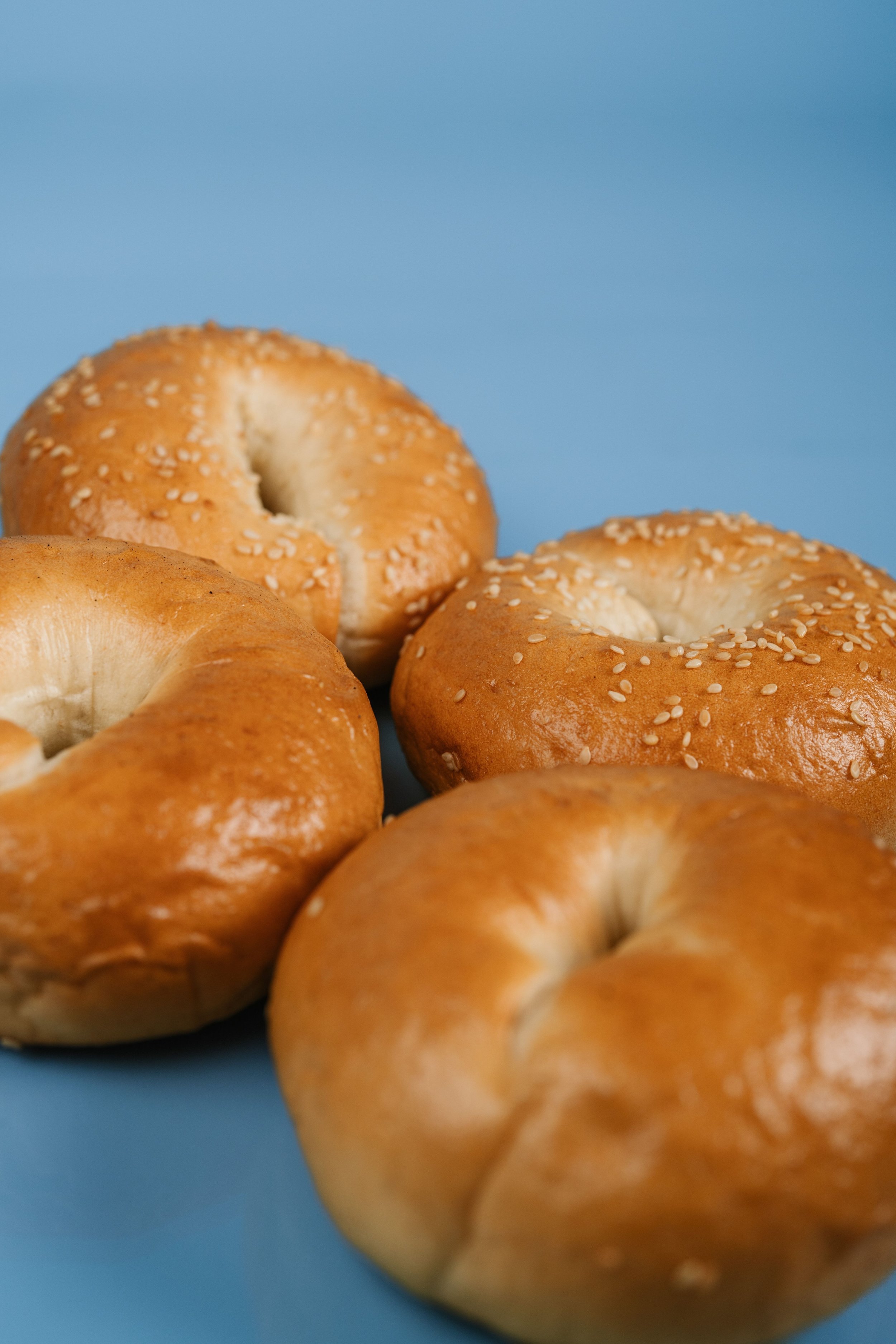
What Makes A Bagel A Bagel?
A hole in the middle doesn't make a bagel.
The real difference happens before ours ever reach the oven. It's in the fermentation, the density of the dough and, most importantly, a quick trip through boiling water and malt syrup.
Skip that part and, well, you've made a doughnut-shaped bread roll.
IT STARTS WITH THE DOUGH
Getting the texture right took some tinkering. Around four to six versions, in fact.
The challenge was finding the right balance between fermentation and density. Too airy and the bagels can overprove or fall flat after boiling. Too dense and they're simply too tough to eat.
That density also plays an important role later. It helps stop the boiling water from penetrating too deeply into the dough, keeping the inside soft while creating that proper bagel chew on the outside.
There's another small detail in the dough that we don't like to waste. Extra dough from the previous day's bake is incorporated into the next batch, helping develop flavour while reducing food waste.
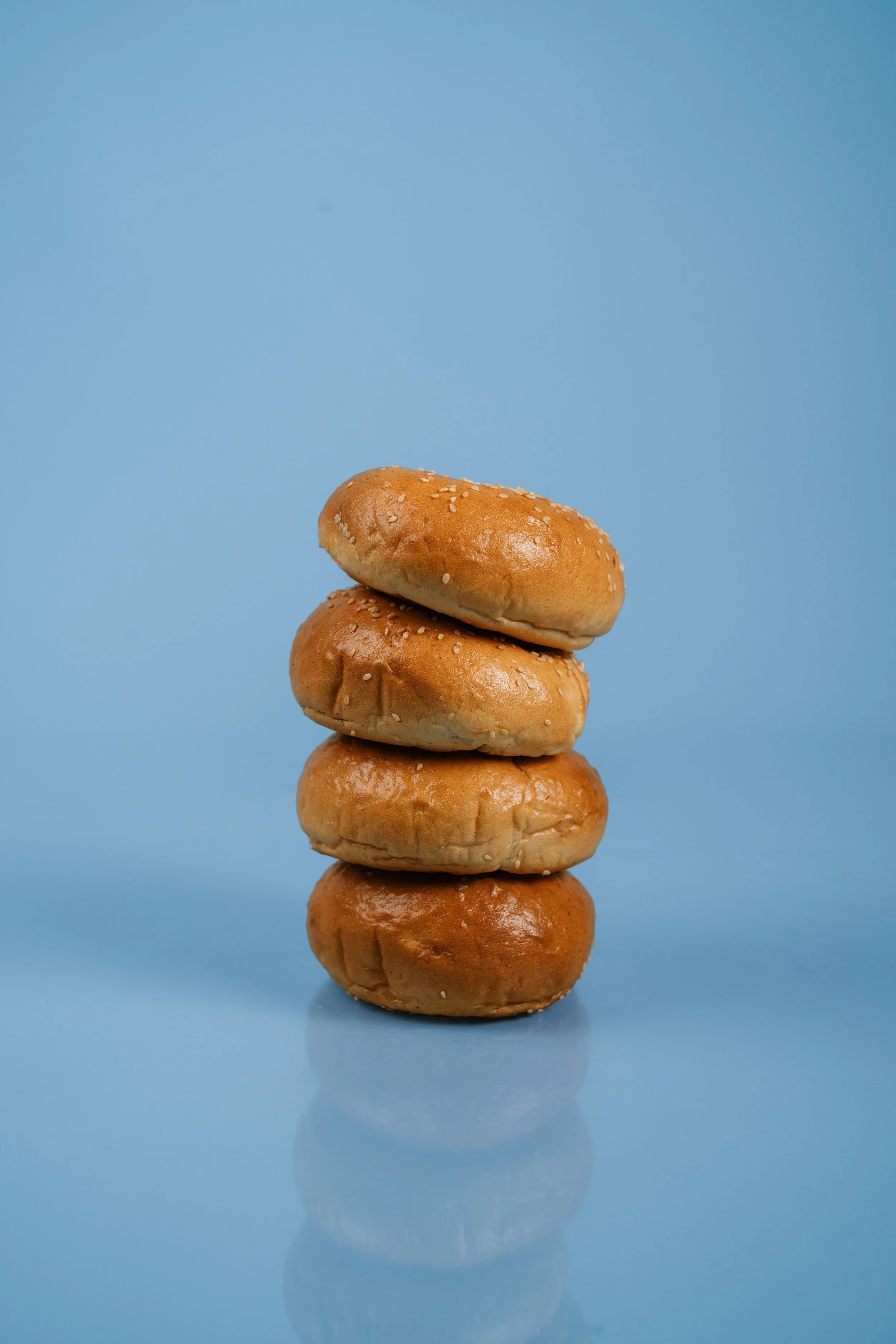
THEN COMES THE BOIL
This is the step that makes a bagel, a bagel.
Each one is boiled in a solution of water and malt syrup for roughly 30 seconds on each side. As soon as the dough hits the water, its outer layer begins to cook, absorbing moisture and malt flavour along the way.
It's also where that signature chew begins.
The longer a bagel boils, the chewier it becomes. For ours, around one minute in total gives the crust its chew without losing the softer interior.
WHY BOIL AND STEAM?
Boiling does the heavy lifting, creating the dark, chewy, malt-flavoured crust that defines a bagel.
But we don't stop there.
Steam during baking helps keep the bagels shiny and allows them to grow nicely in the oven. We then stone-bake them to develop plenty of colour and caramelisation across the crust.
It's a few extra steps for what might look like a simple bread with a hole in it. But that's precisely the point.
Great bagels take time.
And if you're wondering how we'd eat one? Toasted.